BLE, Wi-Fi and legacy device connectivity development
Obeita helps equipment manufacturers and integrators connect existing devices and develop defined wireless data paths. We scope the device interface, protocol and host application together, then implement and test the agreed hardware and firmware. Start with one device, one connection route and clear acceptance conditions.
BLE and Wi-Fi integration
For a BLE application, identify the peer devices, central/peripheral roles, required services and characteristics, pairing and provisioning workflow, payload timing and reconnection behavior. These inputs establish the GATT or other profile work a new project needs.
For Wi-Fi, define station or access-point roles, network provisioning, destination service, authentication requirements and behavior when the connection drops. If multiple radios must run together, agree that combination and its test conditions separately.
The ESP32 gateway case separates Wi-Fi/IP access from a Bluetooth SIG Mesh path. It provides a Mesh integration reference; compatibility with arbitrary BLE GATT devices needs separate assessment. The WS63/Hi3863 wireless-module case covers host and wireless-module integration, with SLE, Wi-Fi and BLE as qualified platform directions rather than a promise of simultaneous operation.
Keep the existing device protocol meaningful
For serial or RS485 equipment, review the device model, bus settings, request/response frames, available power and target network. Physical connection, protocol mapping, gateway firmware and host-side integration are checked separately. A working serial link must still carry the right data and commands for the application.
Related delivered examples include serial-to-Ethernet and cellular DTU adaptation, SLE wireless RS485 integration and sub-GHz serial-radio integration. Uplink choices, node layouts and wireless bridge behavior remain specific to the selected configuration.
What a scoped first stage can deliver
- A bounded diagnostic conclusion or pilot connection on the agreed equipment.
- Interface and configuration notes, message mapping, firmware changes and a test record as agreed for the task.
- A defined next scope for source-code handover, enclosure work, site deployment or production where required.
Acceptance should identify device and firmware versions, message types, data volume, network conditions and recovery behavior. Test missing peers, interrupted links and power cycling where relevant. Range, throughput, interoperability and simultaneous radio operation are validated for the intended environment rather than inferred from a module specification.
The linked cases are delivered customer projects whose hardware and software were physically tested to meet agreed requirements. New devices and installation conditions need their own scope and validation.
Share your connection requirements
Send interface manuals, sample messages, peer-device details, the target network or host API, available supply, enclosure constraints and installation conditions. Include required provisioning, security and recovery behavior so the pilot tests reflect the intended application.
Relevant connectivity projects

Dual RS485 Modbus Gateway Adaptation | Obeita
Dual RS485 gateway delivery combining Modbus register interpretation with the agreed TCP/MQTT data view.
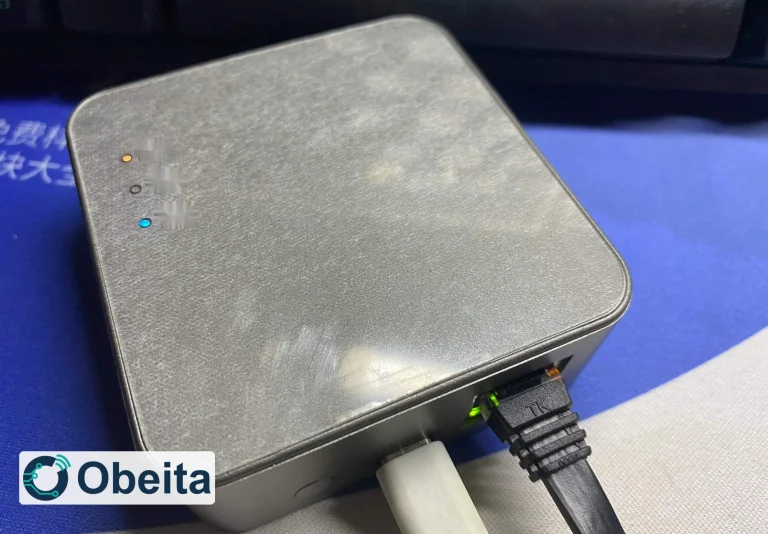
ESP32 Wi-Fi and Bluetooth Gateway Integration | Obeita
ESP32 gateway delivery focused on local IP access and SIG Mesh message-path integration.
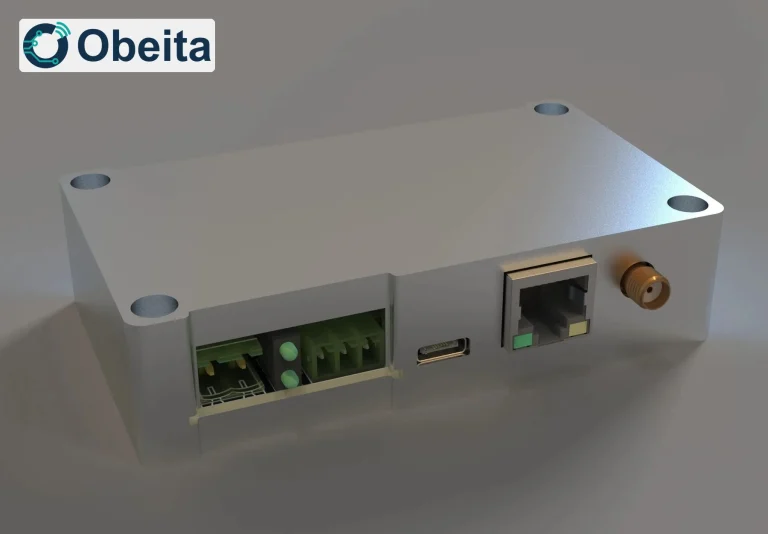
ESP32-S3 Edge DTU Development | Obeita
ESP32-S3 edge DTU delivery combining field-interface design with agreed networking and control functions.
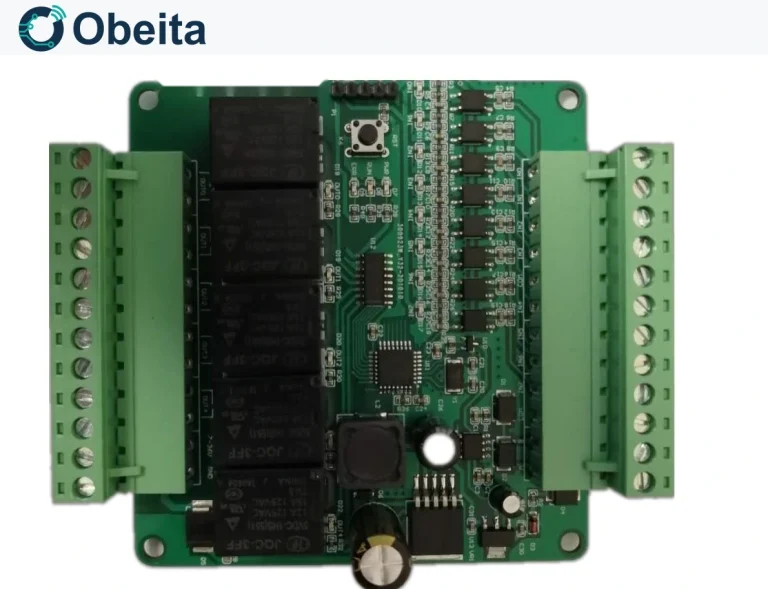
Modbus Remote I/O Integration | Obeita
Modbus remote I/O delivery with clearly scoped relay control modes and supervisory register mapping.

Multi-interface IoT Gateway Integration | Obeita
Delivered STM32F407 gateway engineering focused on field-device identity, cloud data mapping and protected interfaces.

RK3506J Embedded Linux Gateway Development | Obeita
Delivered RK3506J Linux gateway development connecting mixed field I/O with application and configuration software.
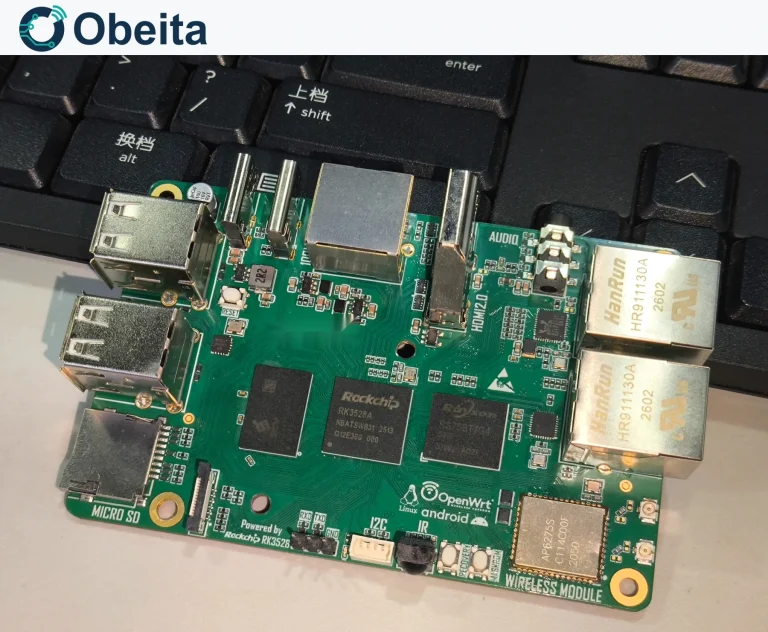
RK3528 Linux Network Gateway Development | Obeita
RK3528 Linux gateway delivery aligning Ethernet hardware paths with the agreed network configuration.
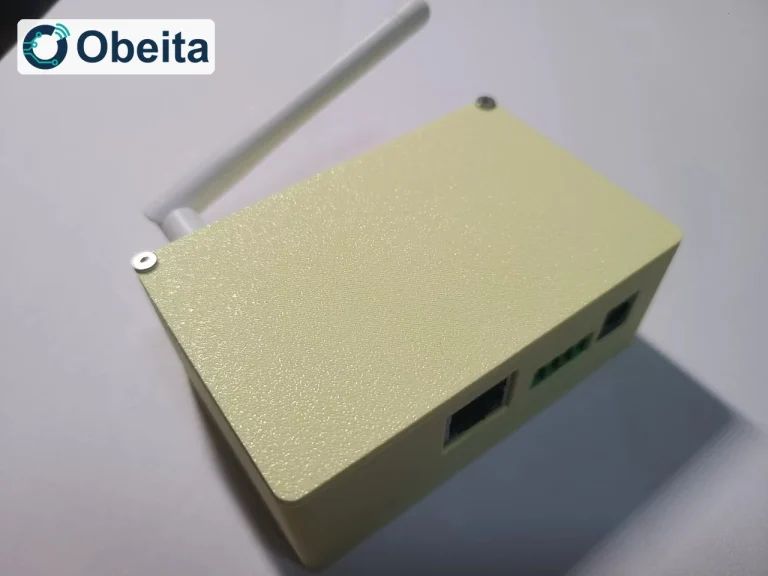
Serial-to-Ethernet and Cellular DTU Adaptation | Obeita
ESP32-S3 DTU delivery focused on RS485 data paths and explicit Ethernet, Wi-Fi or cellular integration choices.

SLE Wireless RS485 DTU Adaptation | Obeita
Delivered SLE RS485 DTU adaptation focused on serial timing, node roles and cabinet/antenna integration.

STM32 Data Acquisition and MQTT Integration | Obeita
STM32 acquisition delivery connecting instrument data interpretation with the agreed MQTT application format.

Sub-GHz Wireless Serial Integration | Obeita
Delivered sub-GHz serial-link engineering focused on host framing, message routing and deployment-specific radio choices.

WS63 Wireless Module Integration | Obeita
Delivered WS63/Hi3863 integration focused on the selected radio mode, embedded host and antenna layout.