Custom IoT and Modbus gateway development
Obeita develops gateway hardware and software around the equipment, protocol and destination system your application needs. Define the physical interfaces, data mapping, network path and failure recovery first. We then agree the implementation and test the selected configuration on actual equipment.
Choose the gateway by its job
RS485 and Modbus RTU to TCP
Identify baud rate, bus topology, device addressing, register maps and polling intervals. Keep separate buses and client roles explicit. Mapping needs agreed timeout, exception and reconnect behavior. The dual-RS485 gateway and Modbus remote I/O cases show different bus and control requirements.
Serial and field data to MQTT
Define serial frames, parsing rules, payload fields, broker authentication and the destination data model. Specify offline buffering, reconnect behavior and treatment of unsent data when required. The multi-interface IoT gateway case is a reference for multi-interface acquisition and gateway integration; the ESP32-S3 edge DTU case connects field signals with an ESP32-S3 design. These cases illustrate acquisition and gateway architecture; an MQTT payload and broker scope must be defined for a new project.
Linux edge gateway
For local processing or mixed interfaces, compare platform resources, Ethernet and serial ports, image maintenance and remote-update requirements. The RK3506J Linux gateway case connects physical I/O with Linux collection, protocol adaptation and configuration. RK3528-class network platforms address a different port and software scope.
Wireless RS485 bridge
For cable replacement, define master/node roles, serial timing, power budget, retransmission and coverage conditions. SLE, sub-GHz and Wi-Fi choices require their own site and firmware validation.
Project stages and deliverables
- Scope one complete data route. Review equipment documents, example frames, the host interface and required failure behavior.
- Agree the design and handover. Define board or module work, firmware, protocol mapping, configuration tools and test records. Source code, enclosure and manufacturing support are included only as agreed.
- Build and verify on equipment. Test the selected route before extending device coverage, committing to batch production or adding optional interfaces.
Define gateway acceptance before implementation
Record device and firmware versions, register conventions, data types, polling load and destination behavior. Include unavailable devices, bus or network interruptions, restart recovery and duplicate or unsent messages where applicable. Authentication, logging, update and recovery requirements should be explicit.
The project library covers completed customer work from requirements and contract agreement through hardware and software design, physical testing and delivery. Tested deliveries met the agreed requirements. Performance, certification, stock availability and optional configurations for a new project are confirmed separately.
Related delivered gateway projects

Dual RS485 Modbus Gateway Adaptation | Obeita
Dual RS485 gateway delivery combining Modbus register interpretation with the agreed TCP/MQTT data view.
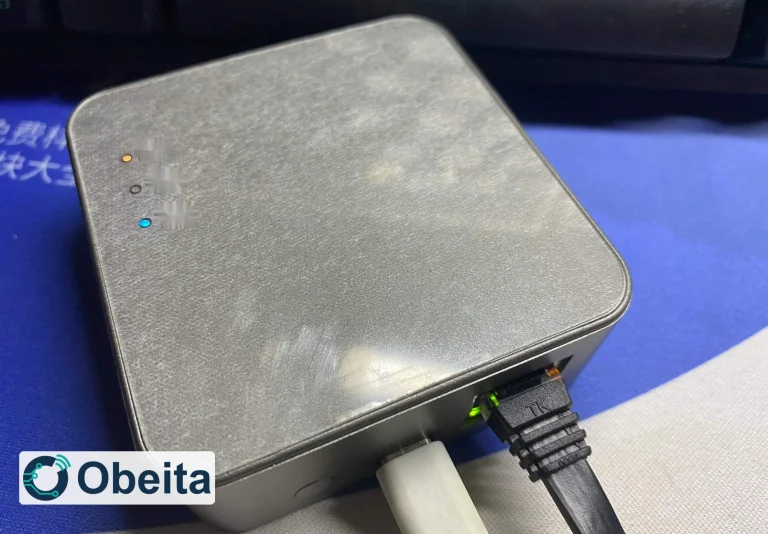
ESP32 Wi-Fi and Bluetooth Gateway Integration | Obeita
ESP32 gateway delivery focused on local IP access and SIG Mesh message-path integration.
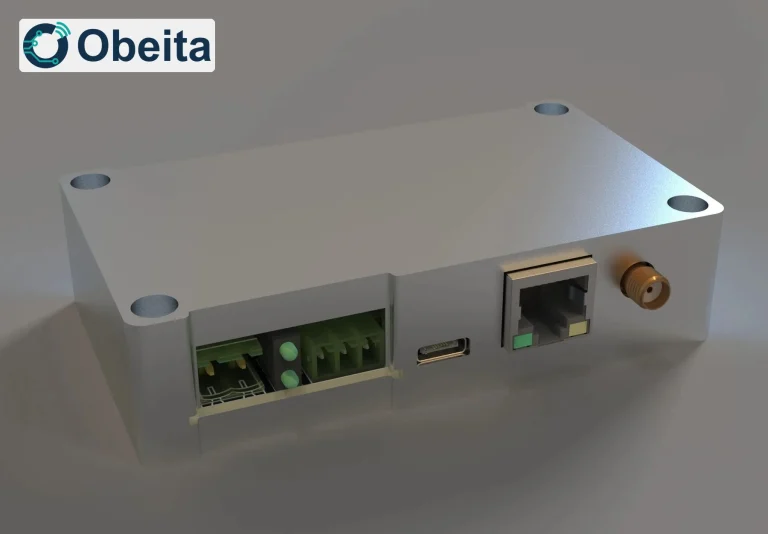
ESP32-S3 Edge DTU Development | Obeita
ESP32-S3 edge DTU delivery combining field-interface design with agreed networking and control functions.
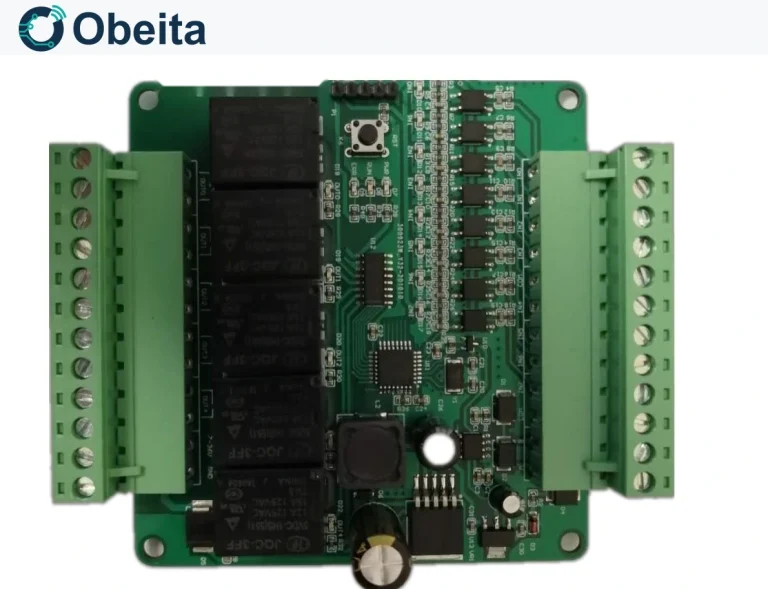
Modbus Remote I/O Integration | Obeita
Modbus remote I/O delivery with clearly scoped relay control modes and supervisory register mapping.

Multi-interface IoT Gateway Integration | Obeita
Delivered STM32F407 gateway engineering focused on field-device identity, cloud data mapping and protected interfaces.

RK3506J Embedded Linux Gateway Development | Obeita
Delivered RK3506J Linux gateway development connecting mixed field I/O with application and configuration software.
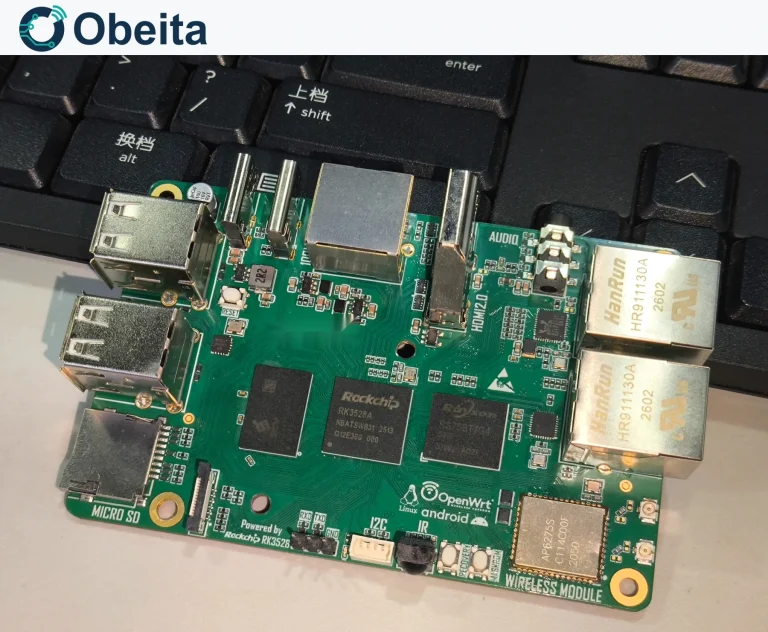
RK3528 Linux Network Gateway Development | Obeita
RK3528 Linux gateway delivery aligning Ethernet hardware paths with the agreed network configuration.
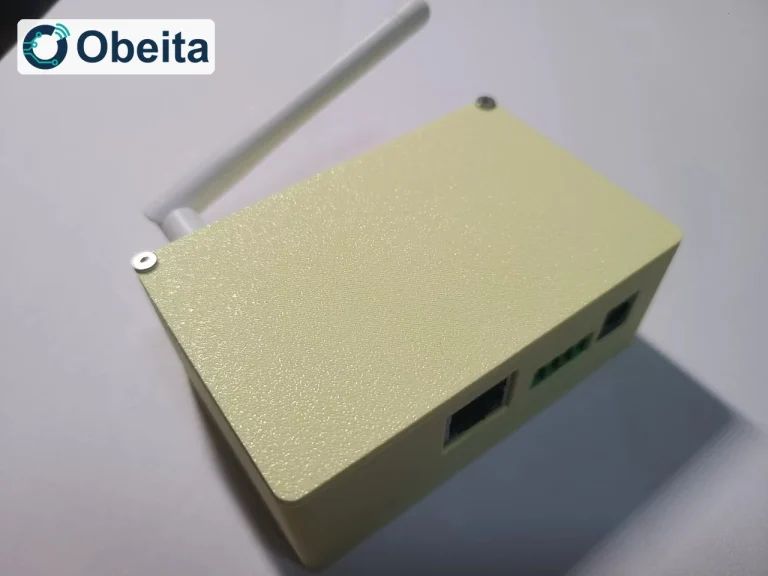
Serial-to-Ethernet and Cellular DTU Adaptation | Obeita
ESP32-S3 DTU delivery focused on RS485 data paths and explicit Ethernet, Wi-Fi or cellular integration choices.

SLE Wireless RS485 DTU Adaptation | Obeita
Delivered SLE RS485 DTU adaptation focused on serial timing, node roles and cabinet/antenna integration.

STM32 Data Acquisition and MQTT Integration | Obeita
STM32 acquisition delivery connecting instrument data interpretation with the agreed MQTT application format.

Sub-GHz Wireless Serial Integration | Obeita
Delivered sub-GHz serial-link engineering focused on host framing, message routing and deployment-specific radio choices.

WS63 Wireless Module Integration | Obeita
Delivered WS63/Hi3863 integration focused on the selected radio mode, embedded host and antenna layout.
Discuss your gateway requirements
Send device models, interface manuals, representative frames, register maps, target network, available power, estimated quantity and commissioning conditions. Include enclosure, certification and support needs so they can be scoped before delivery commitments.