
Custom embedded hardware and software development
Obeita develops embedded hardware, firmware and connected-device software for equipment manufacturers and integrators. Bring a new product requirement, an existing board or a device that needs a network connection. We define the engineering scope, implement the agreed design and test the hardware and software against your requirements.
Discuss your device and interfacesChoose the work your product needs
Device connectivity and wireless integration
Connect serial and RS485 equipment, adapt protocols, or scope a BLE or Wi-Fi application. Device roles, data flow and recovery behavior guide the hardware and firmware work.
Explore connectivityEmbedded Linux, BSP and STM32 firmware
Bring up a board, adapt drivers or investigate boot and stability faults. Linux/BSP and MCU work have separate implementation and acceptance requirements.
Explore diagnosticsCustom IoT and Modbus gateways
Develop the interface and software path between field equipment and its host system. Compare gateway architectures, then validate the selected configuration on actual devices.
View gateway projectsFrom requirements to a tested delivery
- Define the scope. Review the product function, interfaces, current hardware and software, operating conditions and acceptance criteria. A diagnostic task or pilot can resolve uncertain parts first.
- Agree the implementation. Set the hardware, firmware and application boundaries in the contract, including any existing design or third-party dependencies.
- Design and verify. Complete the agreed hardware and software work, reproduce issues and test the selected configuration on physical equipment.
- Hand over the agreed deliverables. Specify boards, firmware or software builds, configuration notes and test records. Source code, design files, manufacturing support and ongoing maintenance are defined per project.
Representative delivered projects
Explore the engineering decisions behind a custom RK3566 terminal, an A133 touch terminal, a STM32 data-acquisition device, a multi-interface IoT gateway and a QCM6490 cellular edge platform. Each illustrates a different hardware and software boundary.
Our 16 anonymized case studies describe completed customer projects: requirements, contract agreement, hardware and software design, physical testing and delivery. The tested deliveries met the customers’ agreed requirements. Optional configurations and new-project performance need their own validation.

A133 Touch Terminal Product Development | Obeita
Delivered A133 touch-terminal engineering spanning Android, board-level integration and a modular enclosure.

Dual RS485 Modbus Gateway Adaptation | Obeita
Dual RS485 gateway delivery combining Modbus register interpretation with the agreed TCP/MQTT data view.
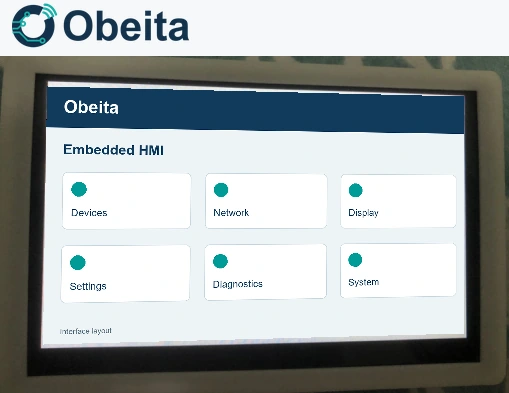
Embedded Linux and Qt HMI Development | Obeita
Delivered V3S Linux/Qt HMI development combining a split-board design, touch display and a defined memory budget.
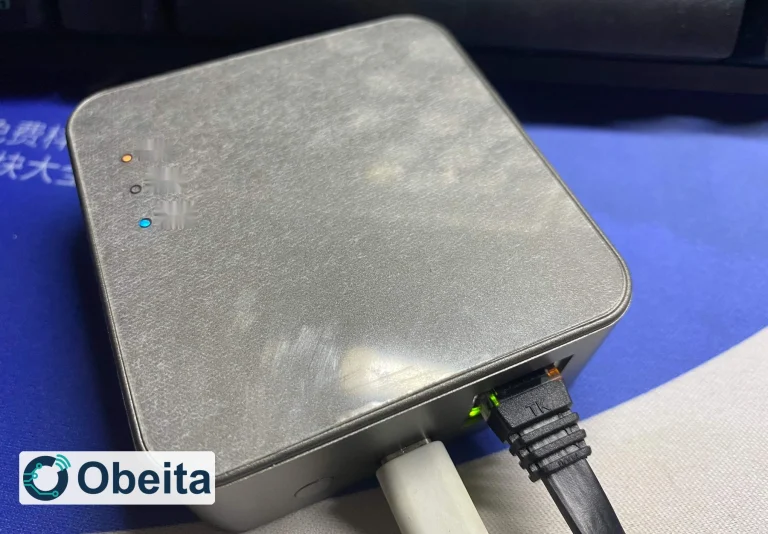
ESP32 Wi-Fi and Bluetooth Gateway Integration | Obeita
ESP32 gateway delivery focused on local IP access and SIG Mesh message-path integration.
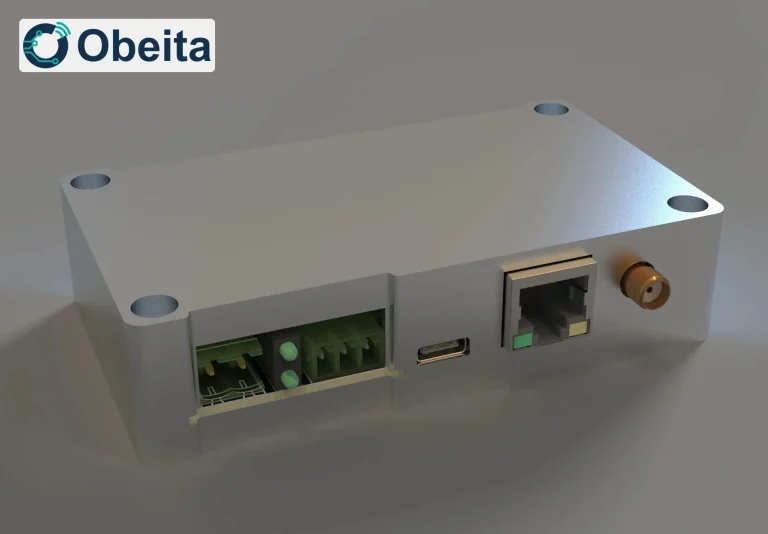
ESP32-S3 Edge DTU Development | Obeita
ESP32-S3 edge DTU delivery combining field-interface design with agreed networking and control functions.
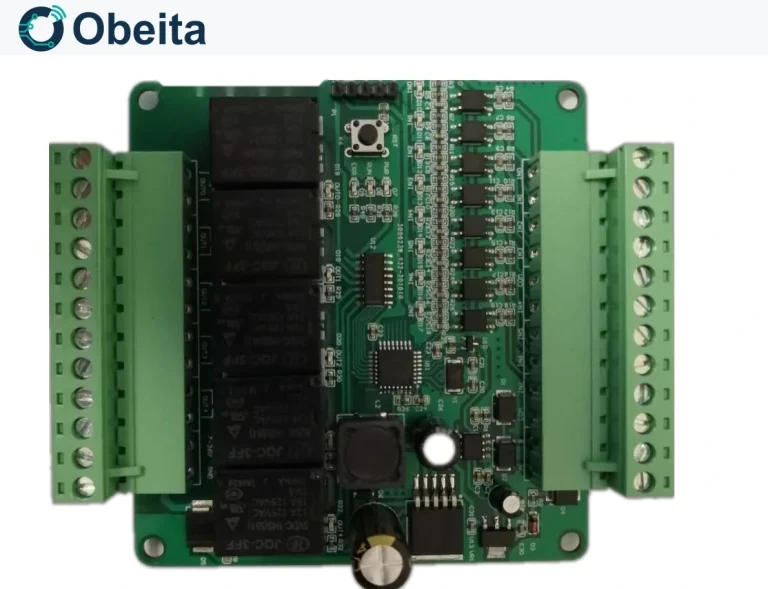
Modbus Remote I/O Integration | Obeita
Modbus remote I/O delivery with clearly scoped relay control modes and supervisory register mapping.

Multi-interface IoT Gateway Integration | Obeita
Delivered STM32F407 gateway engineering focused on field-device identity, cloud data mapping and protected interfaces.

QCM6490 Cellular Edge Platform Adaptation | Obeita
Delivered QCM6490/SG560D carrier and software adaptation focused on module selection, shared pins and recovery.

RK3506J Embedded Linux Gateway Development | Obeita
Delivered RK3506J Linux gateway development connecting mixed field I/O with application and configuration software.
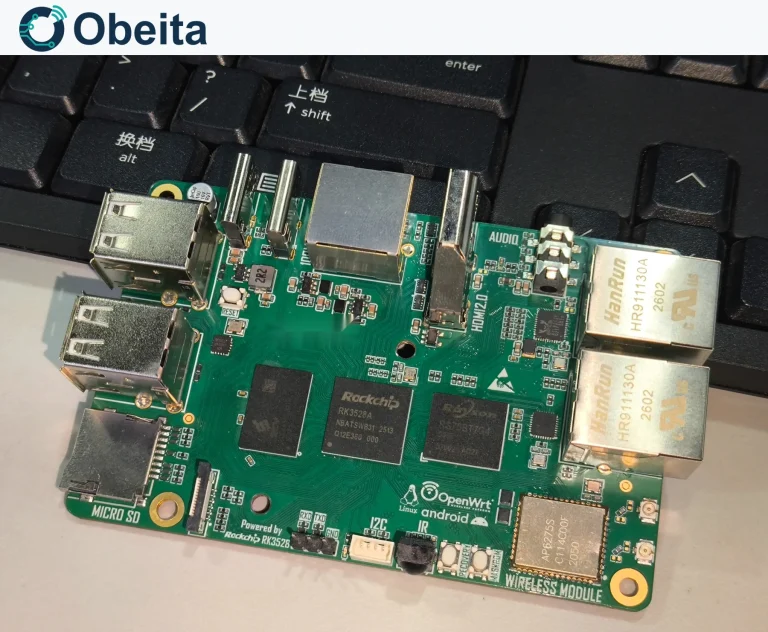
RK3528 Linux Network Gateway Development | Obeita
RK3528 Linux gateway delivery aligning Ethernet hardware paths with the agreed network configuration.
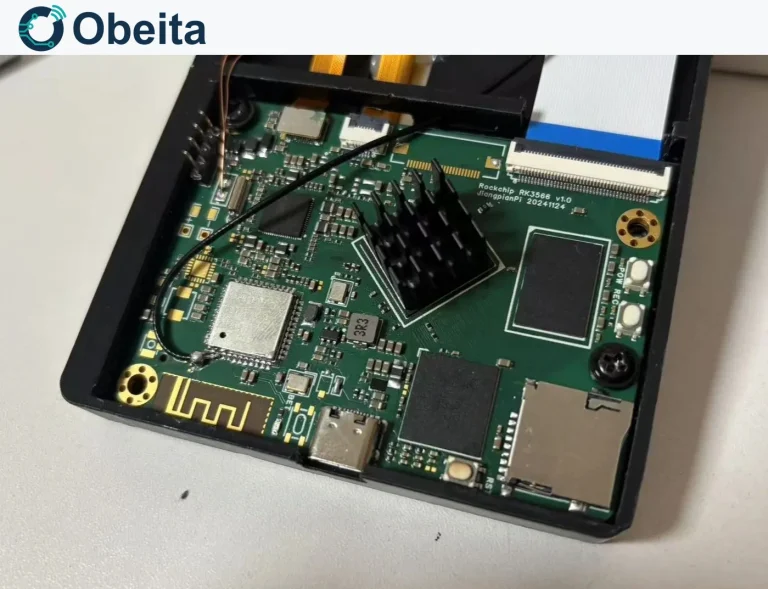
RK3566 Embedded Terminal and BSP Adaptation | Obeita
RK3566 terminal delivery centred on panel-specific BSP work and a compact FPC-connected architecture.
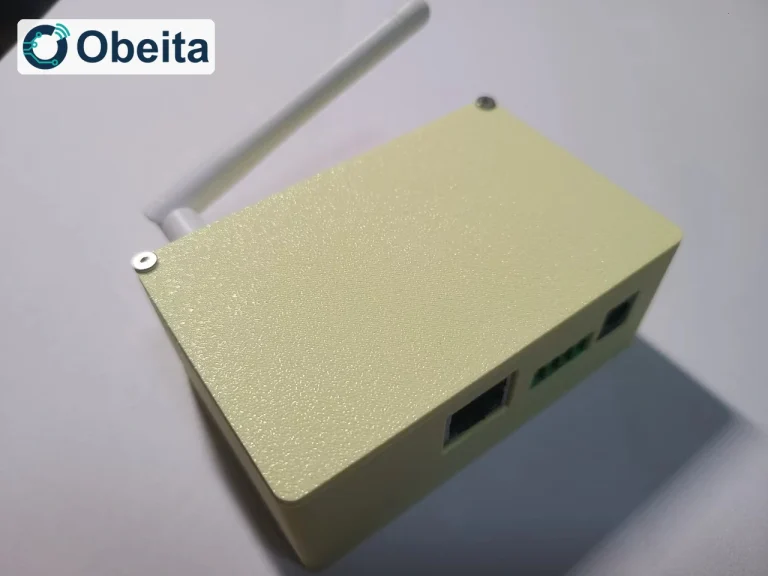
Serial-to-Ethernet and Cellular DTU Adaptation | Obeita
ESP32-S3 DTU delivery focused on RS485 data paths and explicit Ethernet, Wi-Fi or cellular integration choices.
What to send for project scoping
Share the product goal, board or device model, interface documents, existing source availability, operating environment, expected quantity and target schedule. Include the behavior you need to verify. Certification, enclosure, production and support requirements should be identified before they become delivery commitments.