ESP8266 Wi-Fi Scans Need a Result-Ownership State Machine
Separate driver-owned scan results from bounded application snapshots, and close the cleanup lifecycle when refreshes, cancellation or retrieval fail.
Ethernet addressing, DHCP roles, Wi-Fi provisioning and recovery when a connection fails. Define user-visible states and diagnostic evidence as well as the successful connection path.
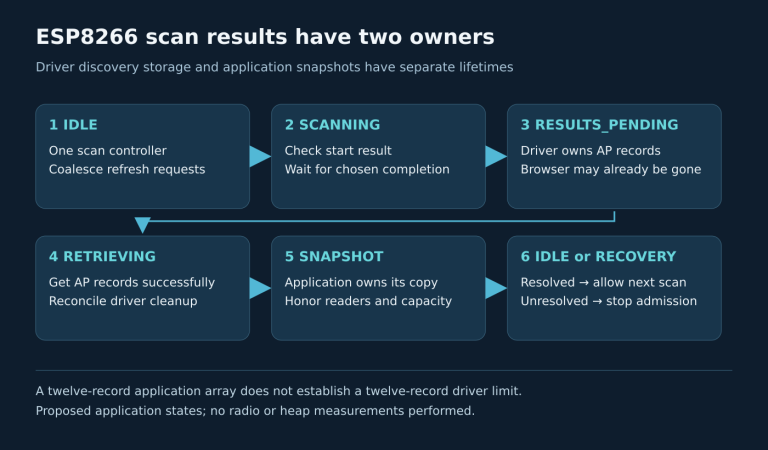
Separate driver-owned scan results from bounded application snapshots, and close the cleanup lifecycle when refreshes, cancellation or retrieval fail.
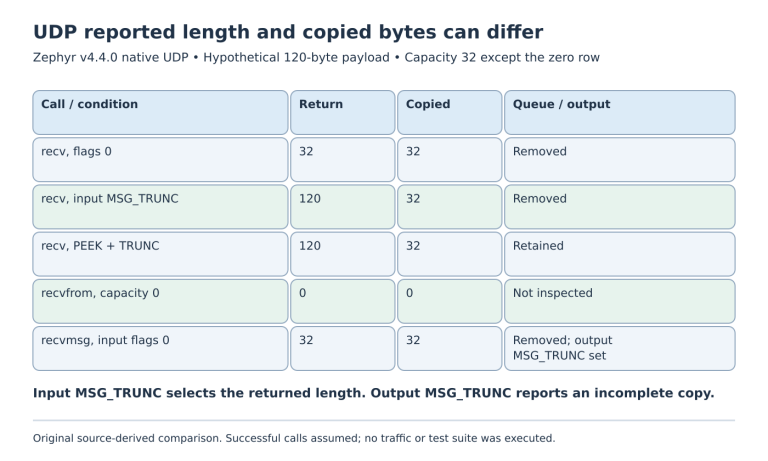
Why does a UDP receive call return more bytes than fit in its buffer, and why does a zero-length MSG_PEEK size probe fail to report the queued datagram size?
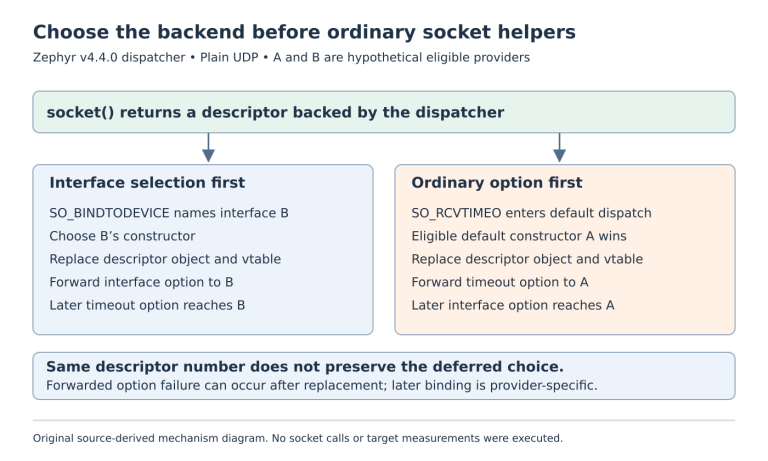
Why can a socket intended for one network module use another provider when a library sets an option before SO_BINDTODEVICE?
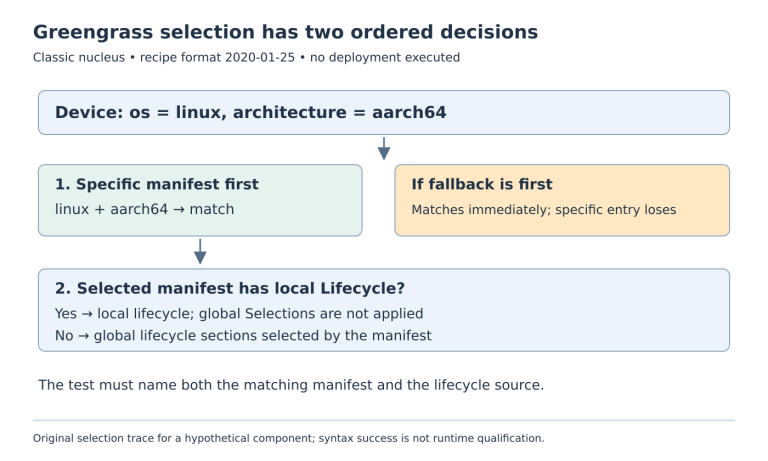
Why can a valid component recipe select a generic artifact or lifecycle on an industrial gateway even when a matching architecture-specific manifest exists?
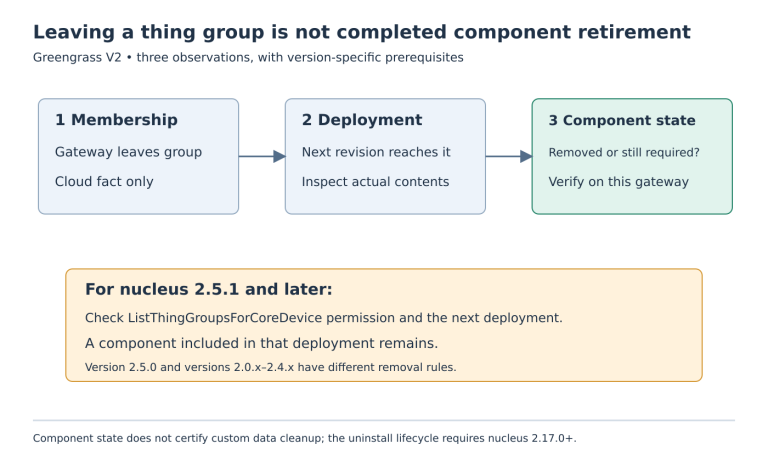
Why can a gateway retain group-deployed components after it is removed from that AWS IoT thing group?
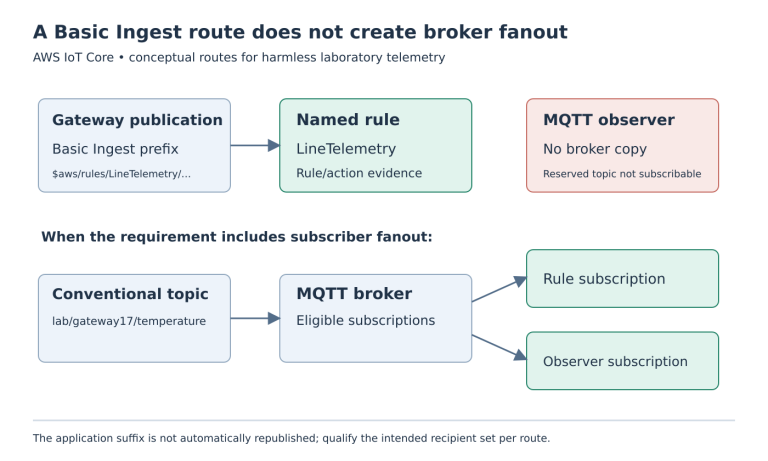
Why can an industrial gateway reach its AWS rule through a reserved Basic Ingest topic while an otherwise correct MQTT observer receives no publication?
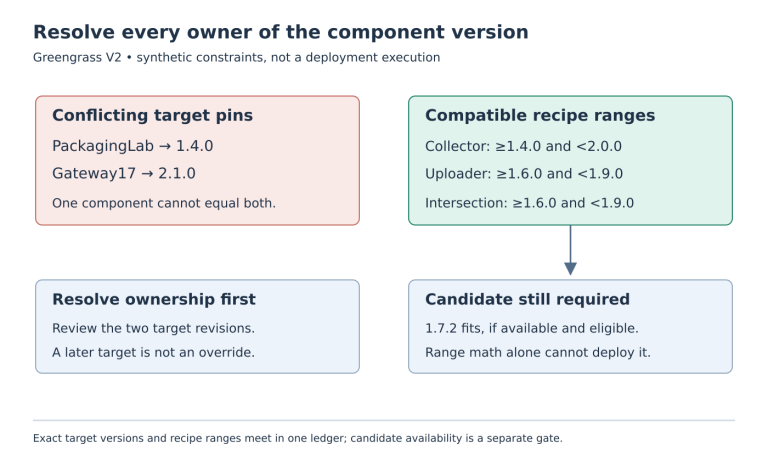
Why does a deployment to one gateway fail to upgrade a component when another thing-group deployment still requires its old version?
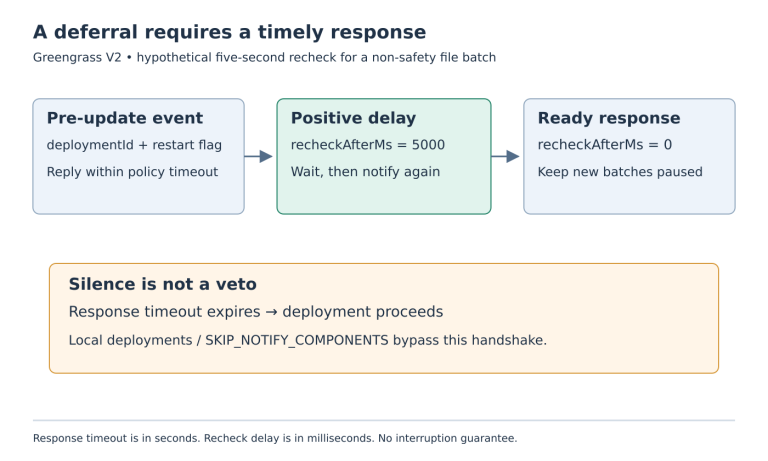
How can an industrial gateway component defer a cloud deployment while finishing a bounded task, and why do silence, local deployment and a missed notification fail to protect that task?
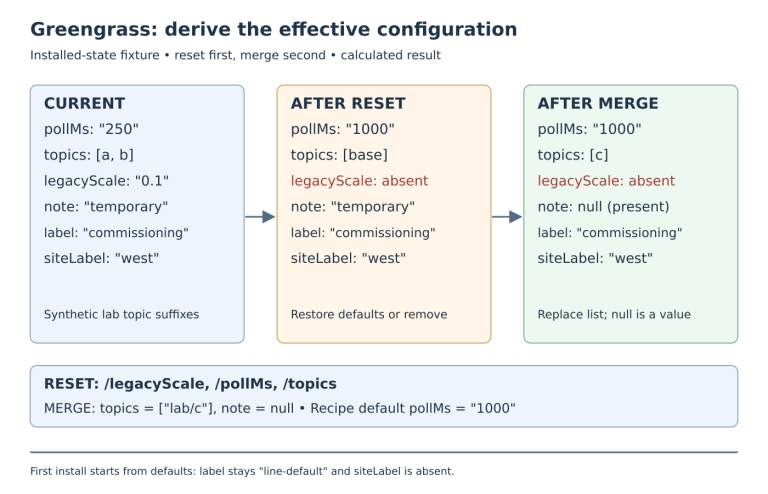
Why does a redeployed industrial collector retain an omitted setting, and how should reset paths, default values and whole-list replacement be combined to produce its intended effective configuration?
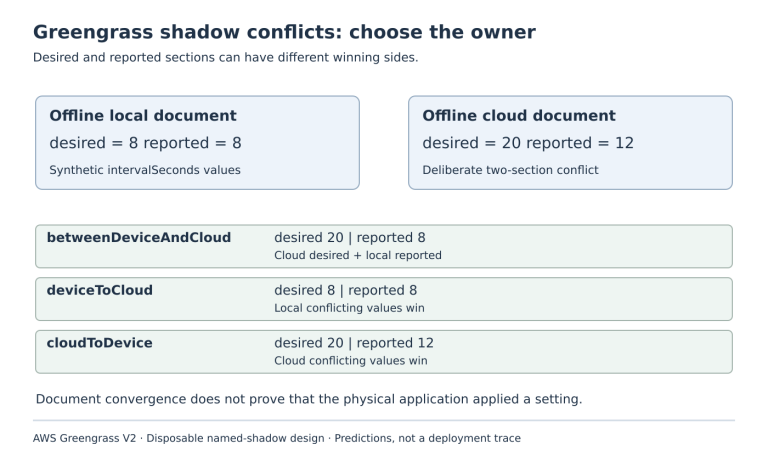
When an industrial gateway and AWS IoT Core change the same shadow during an outage, which desired and reported values survive synchronization, and how does direction change that decision?