RV64 C and Assembly Boundaries: Preserve the Sign-Extended uint32_t Register Contract
Why can a hand-written RV64 caller break a C uint32_t interface by zero-extending bit 31 even though the source type is unsigned?
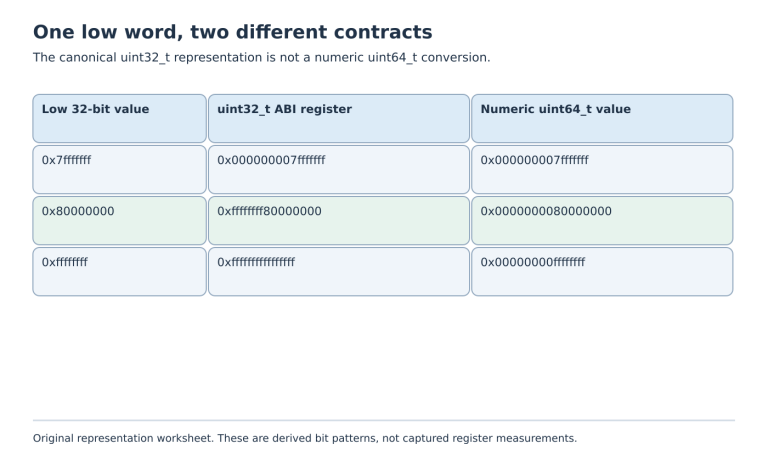
Why can a hand-written RV64 caller break a C uint32_t interface by zero-extending bit 31 even though the source type is unsigned?
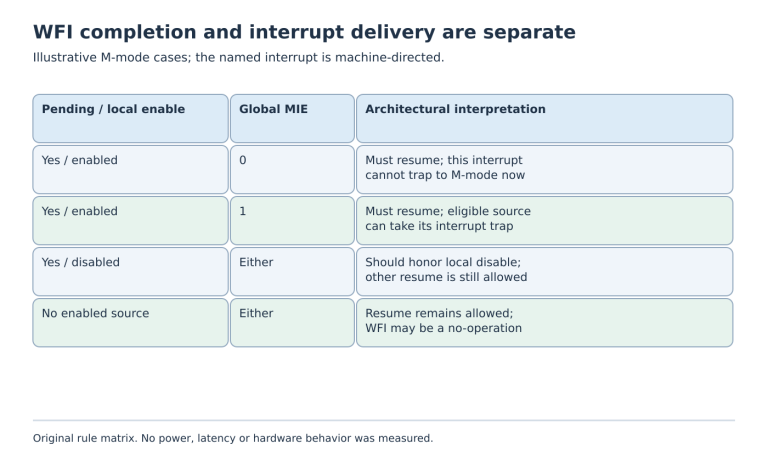
Why can a RISC-V idle loop continue after WFI with no interrupt handler invocation, and why does clearing MIE not guarantee that WFI remains stalled?
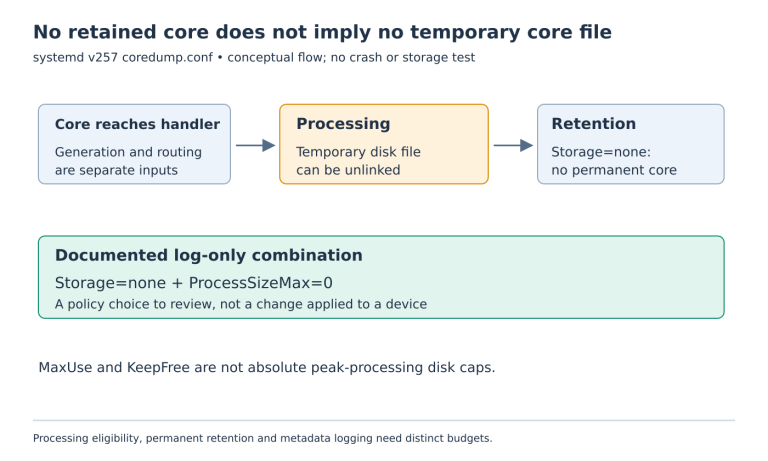
Why can an embedded device write a temporary core file while its coredump policy says Storage=none?
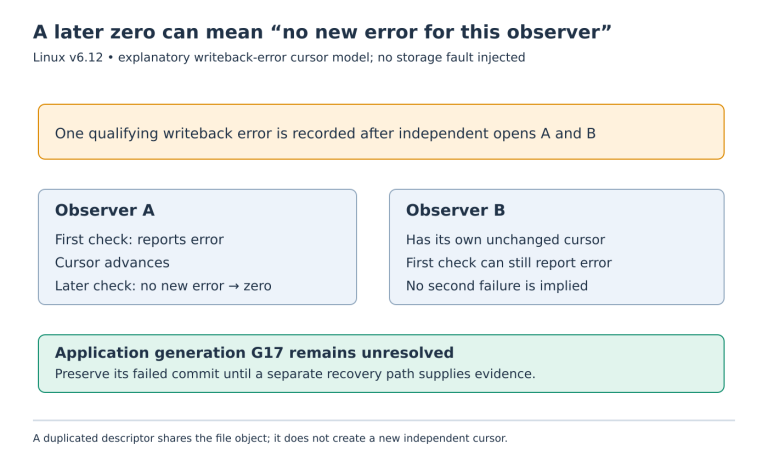
How can one fsync report a delayed writeback error and a later call return zero without proving the affected application data was repaired?
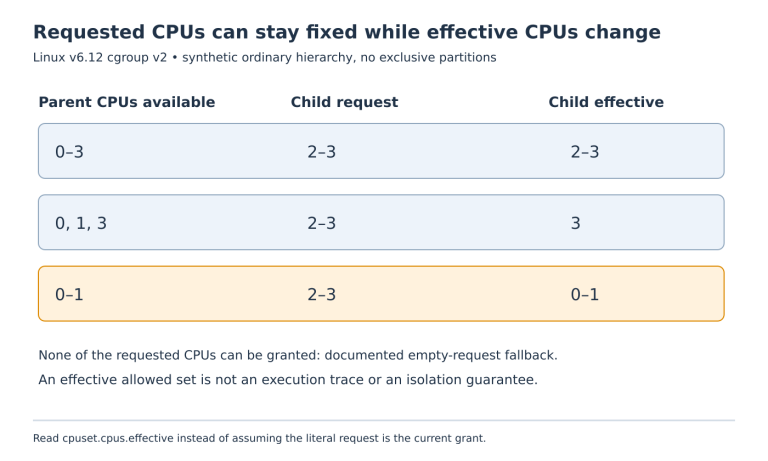
Why can a service’s configured cpuset stay unchanged while the CPUs actually granted to it change or fall back to its parent’s available set?
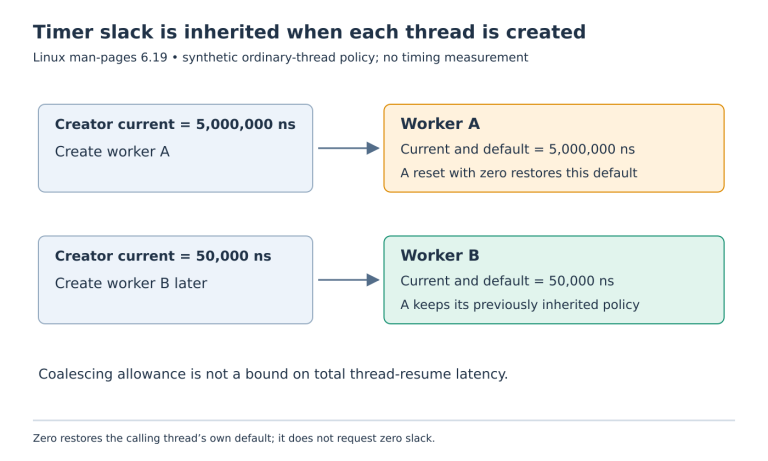
Why can a worker inherit a different timeout-coalescing allowance, and why does setting PR_SET_TIMERSLACK to zero not disable that allowance?
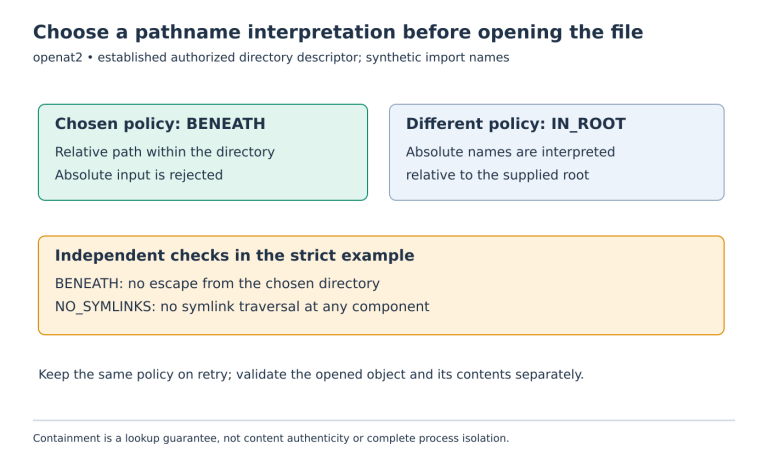
Why does checking a path string or using O_NOFOLLOW only on its final component fail to define the full directory-resolution policy of an imported configuration?
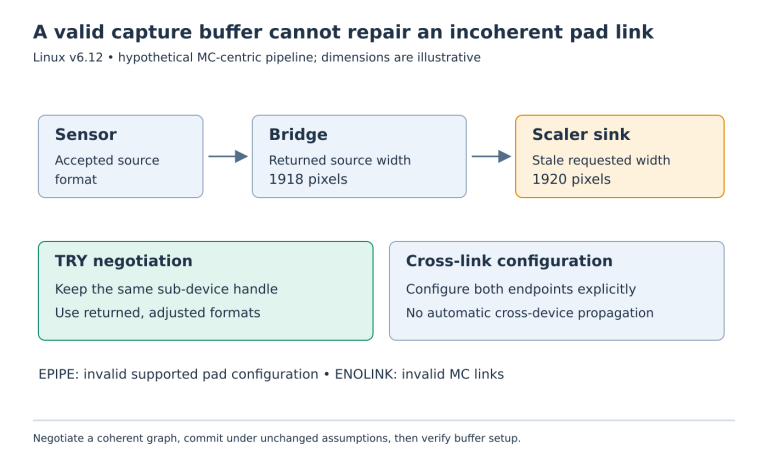
Why can a capture node accept its format and buffers but STREAMON still reject the pipeline because connected sub-device pads disagree?
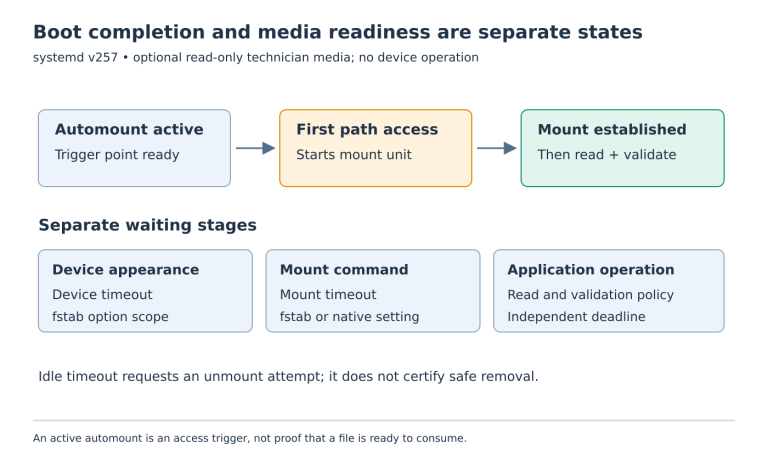
Why can a device boot successfully with a nofail removable-media entry yet its application wait or fail when it first opens the automount path?
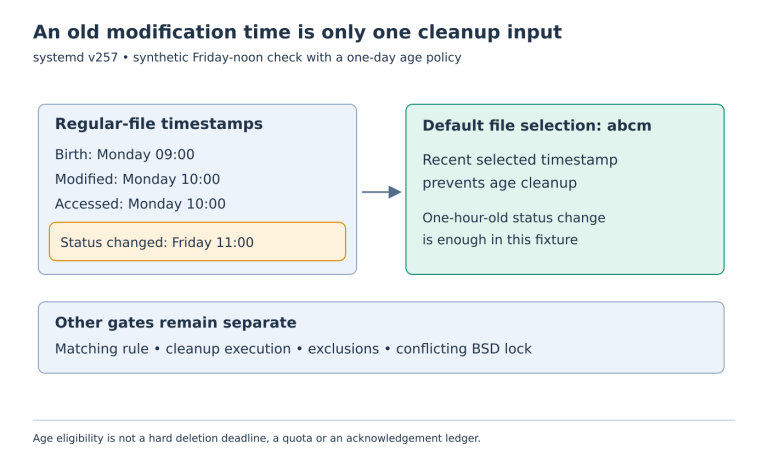
Why can a temporary acquisition file remain after its modification time is older than the configured cleanup age?