STM32WB Stop Entry: Preserve the Two-Core Clock Handoff
Why can a custom idle hook break WB55 low-power entry even when the chosen PWR mode is valid?
Firmware requirements, peripheral integration, task coordination, fault diagnosis and verification for microcontroller products. Start from the actual hardware and acceptance conditions before choosing an implementation.
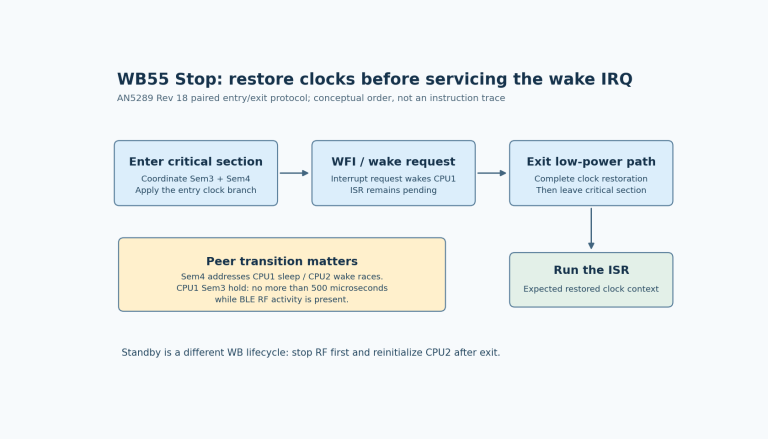
Why can a custom idle hook break WB55 low-power entry even when the chosen PWR mode is valid?
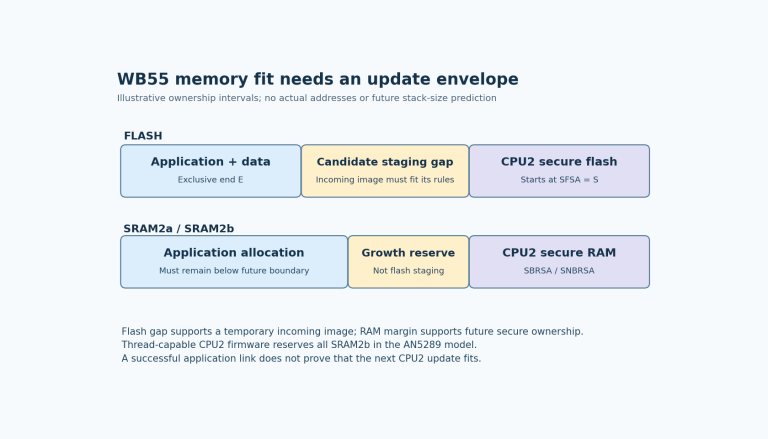
How much flash and SRAM may a WB55 application claim while keeping future wireless-stack updates feasible?
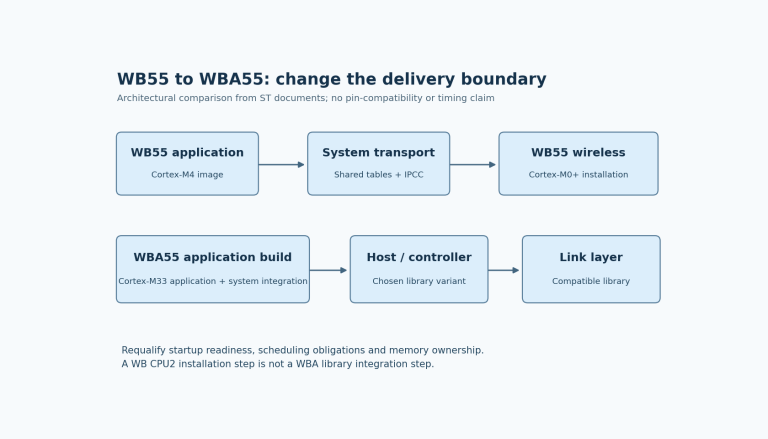
Which firmware images, scheduling responsibilities and startup interfaces must change when moving a WB55 product to WBA55?
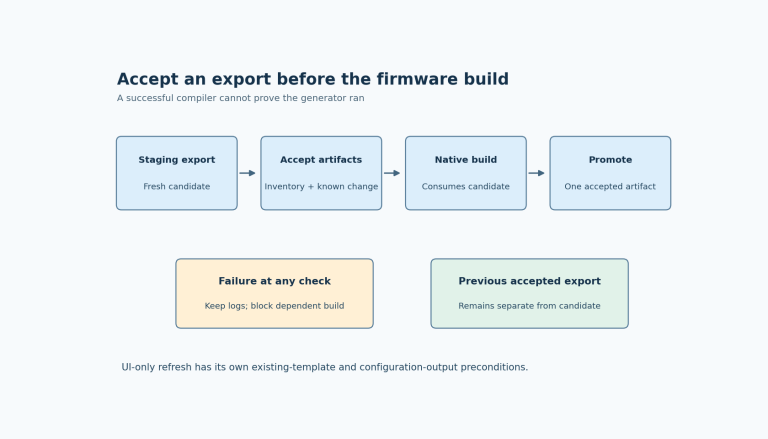
How can a scripted SquareLine export prove it produced fresh UI files when startup licensing, destinations or partial output can interfere?
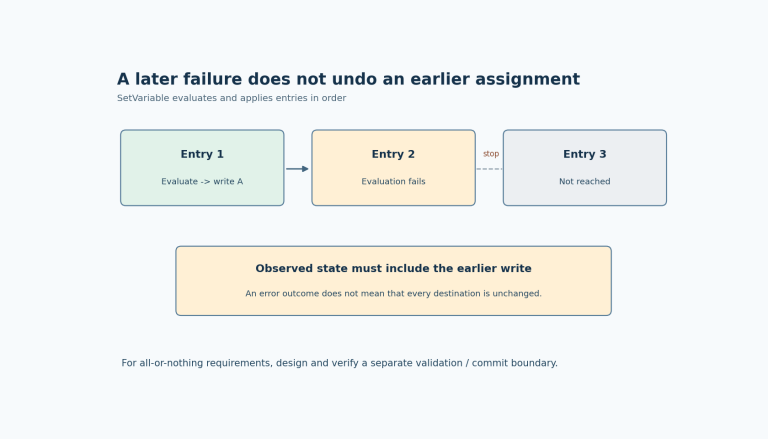
How can a multi-entry SetVariable action change earlier values even when a later assignment expression fails?
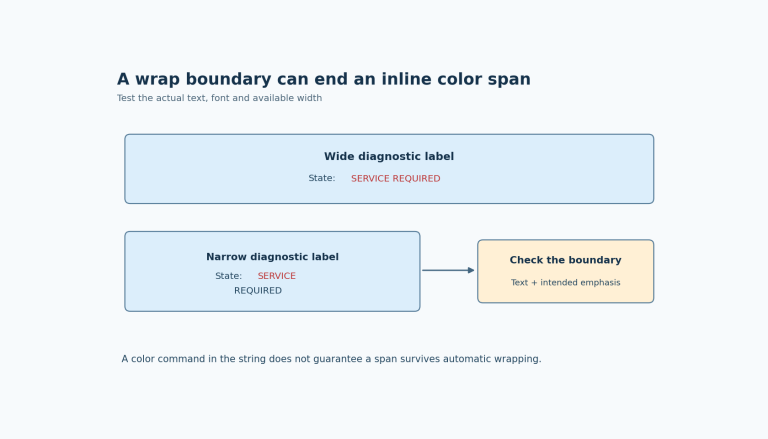
Why can a colored warning lose its intended emphasis when the label width or translated text changes?
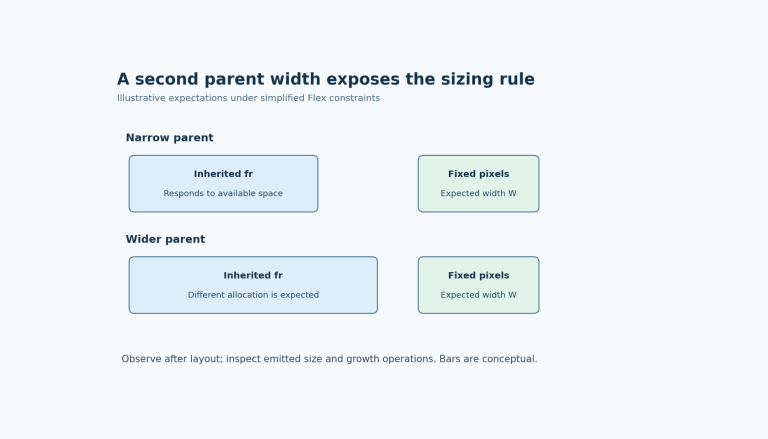
How can a component instance intended to use a fixed width be checked for a lingering fractional Flex allocation after migration?
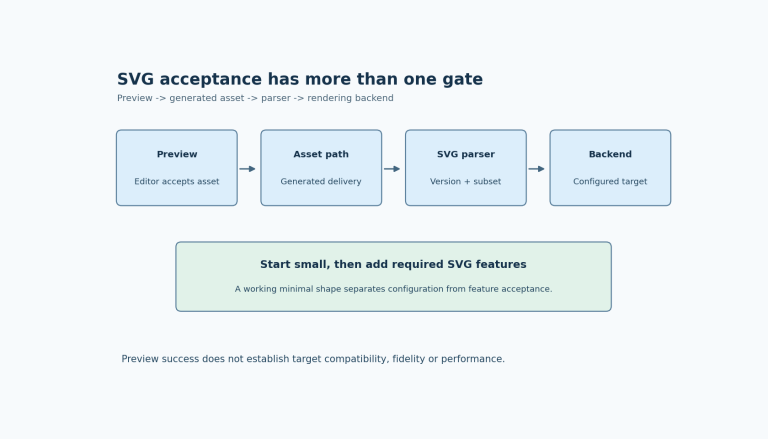
What target-side SVG configuration and asset-subset checks are required before a SquareLine SVG preview can be trusted for deployment?
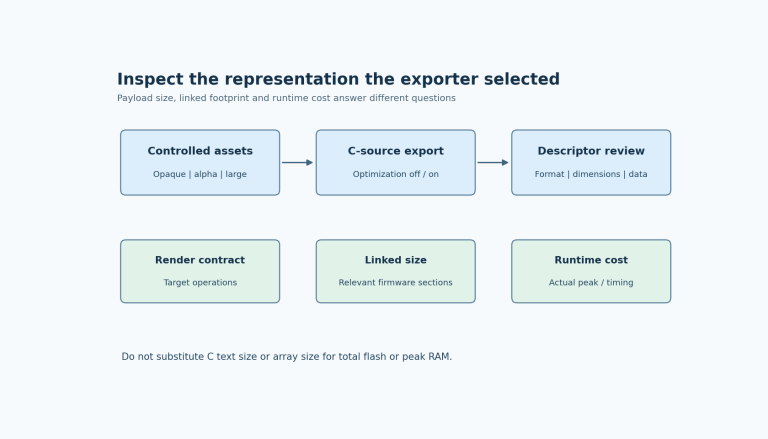
How can automatic format selection change image integration assumptions even when the original asset did not change?
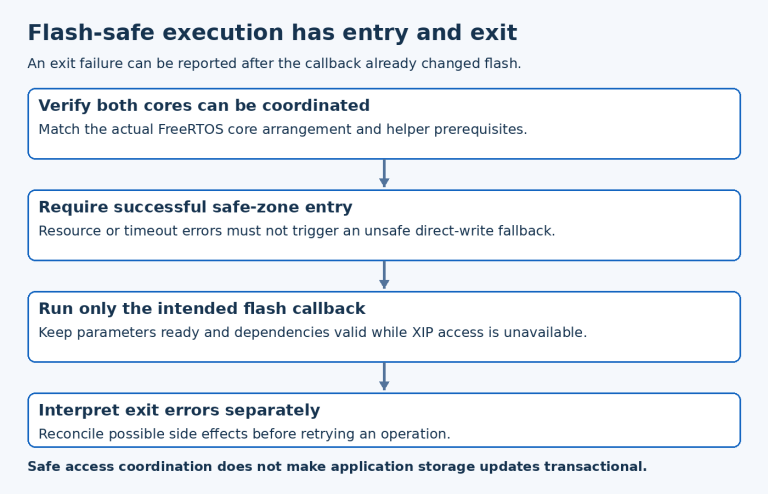
Review Pico FreeRTOS flash-safe coordination, SMP affinity prerequisites and ambiguous return paths before retrying writes.