EEZ Studio Watch: Separate the Initial Value from Later Change Notifications
How can a Watch-connected command avoid treating its startup emission as a user-requested change?
Firmware requirements, peripheral integration, task coordination, fault diagnosis and verification for microcontroller products. Start from the actual hardware and acceptance conditions before choosing an implementation.
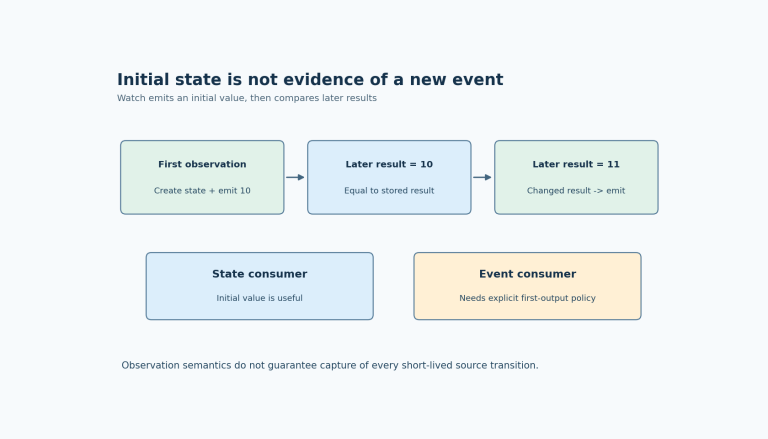
How can a Watch-connected command avoid treating its startup emission as a user-requested change?
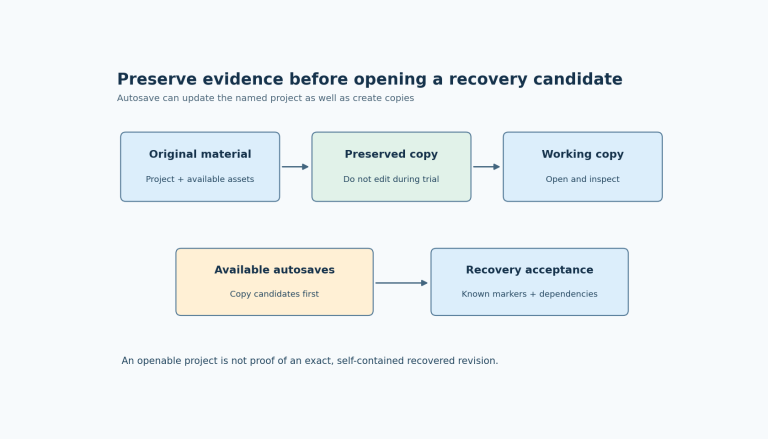
Why is the current project file not necessarily the original recovery point after an autosaved editing session?
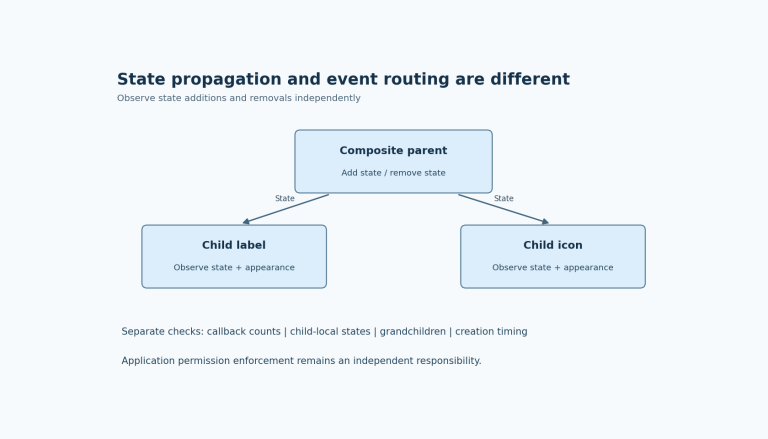
How can a composite control propagate its disabled or pressed appearance to children while preserving their intended state ownership?
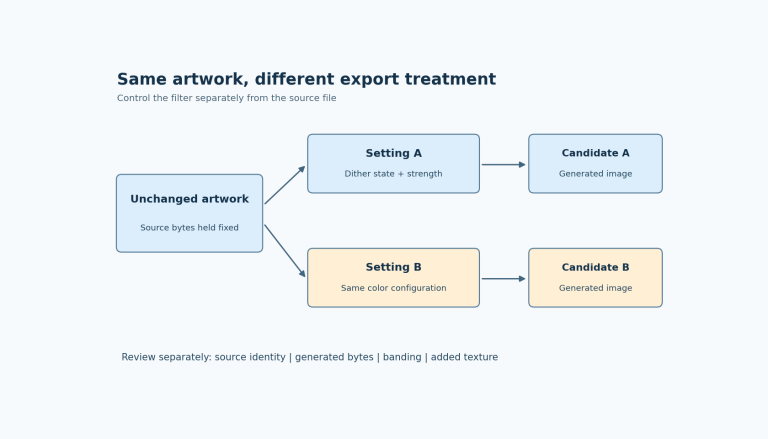
Why can the exported gradient change while the source PNG hash stays identical, and what belongs in the review record?
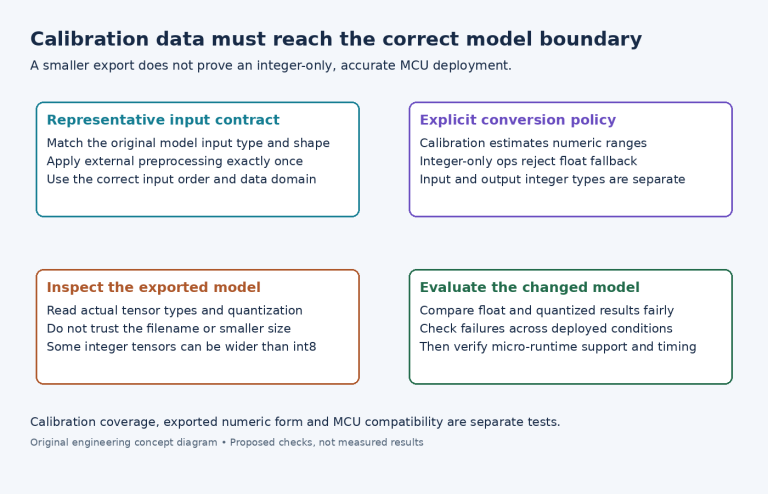
Keep representative calibration data at the original model-input boundary, enforce the intended integer interface and evaluate quantization loss separately from export success.
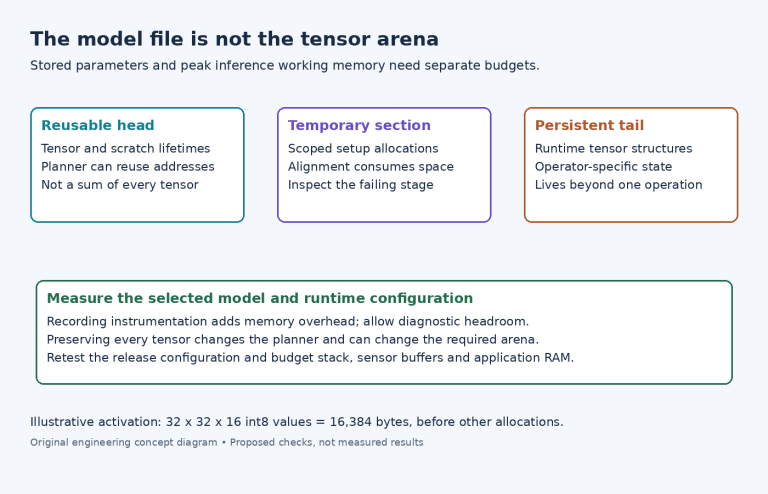
Diagnose TFLM arena failures by separating model storage, tensor lifetimes, setup failures, recording overhead and production-wide RAM usage.
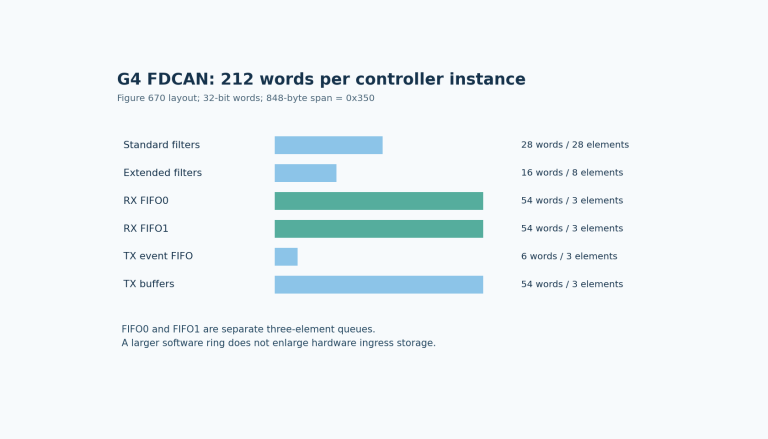
Can a generic M_CAN buffer configuration or extra MCU SRAM enlarge the G4 receive FIFOs?
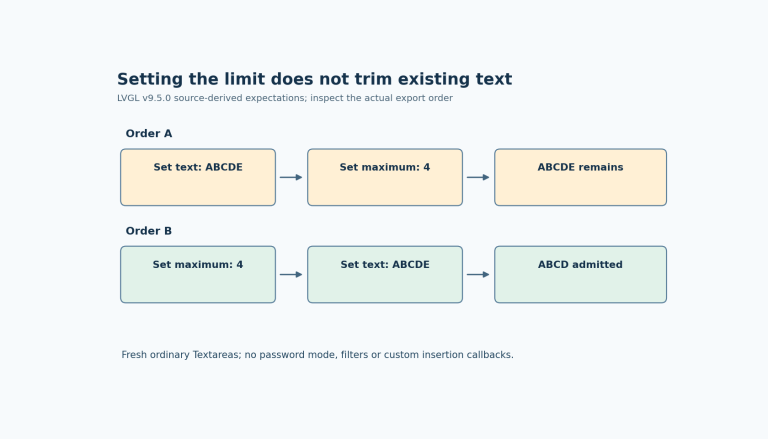
Can existing text remain longer than Max text length when the generated or application initialization sets the limit after assigning the text?
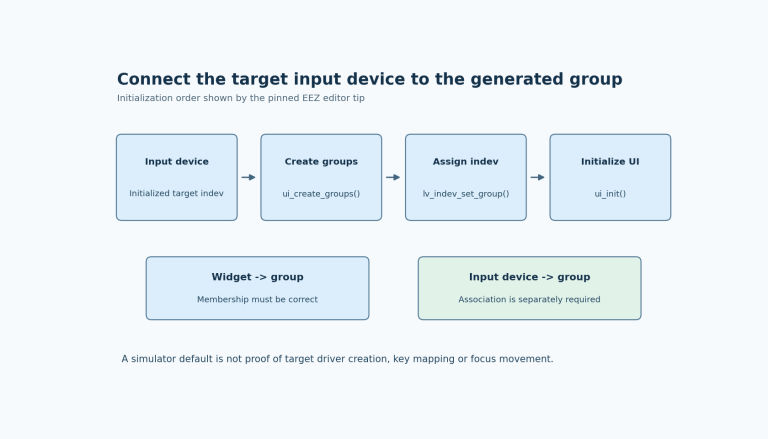
Why can keyboard or encoder navigation work in the EEZ simulator while the generated UI has no focus navigation on the device?
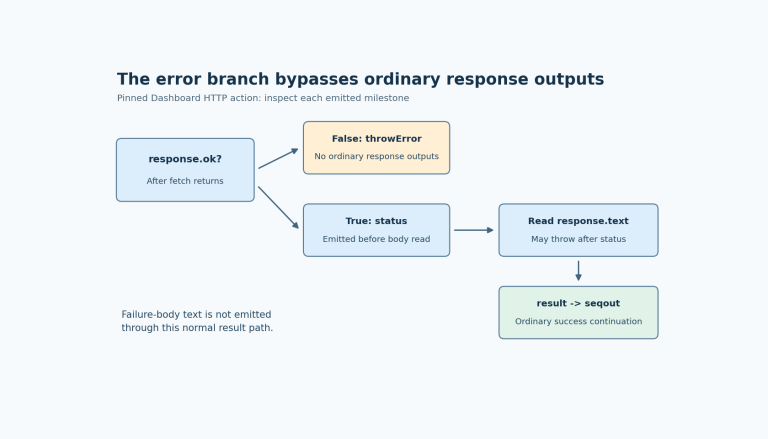
Why can an HTTP failure bypass the normal status and result outputs in a Dashboard Flow?